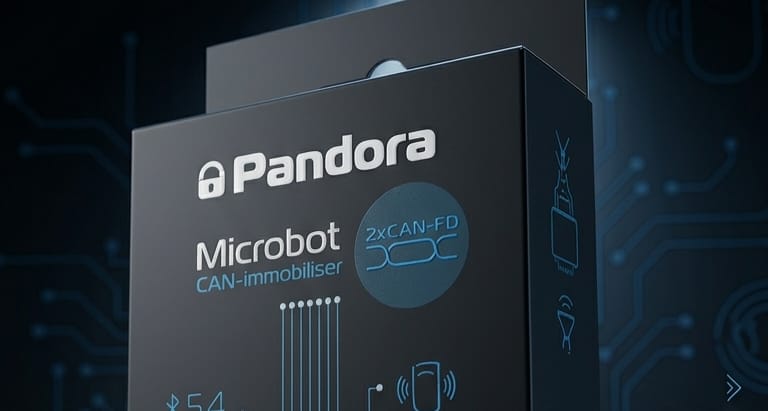
A straight, side-by-side look at Pandora's MicroBot and the Autowatch Ghost 2, built from the manufacturer spec sheets and Thatcham's own approval categories. We'll let the numbers do most of the talking.
Ghost has been a familiar name in vehicle immobilisation for years, well fitted, well understood, and trusted by a lot of installers. MicroBot is Pandora's newer digital CAN immobiliser, built around more flexible authentication and a dedicated anti-hijack response. Both are capable products. The comparison below is drawn directly from each manufacturer's own specification, so you can weigh it up for yourself.The products
Two approaches, side by side
01Digital CAN Immobiliser
MicroBot
Pandora · Digital CAN immobiliser
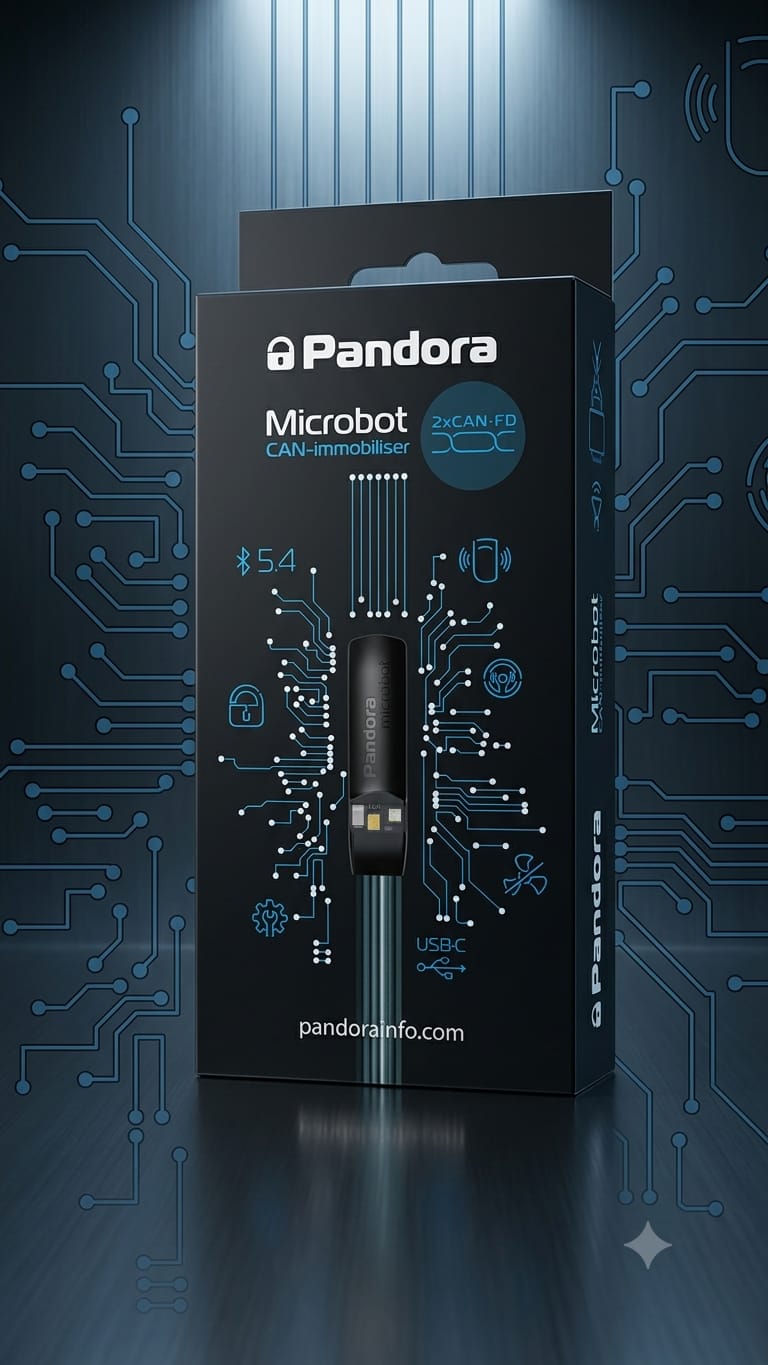
MicroBot's packaging lists its core spec plainly: Bluetooth 5.4, dual CAN-FD support, wireless tag pairing, and USB-C servicing, all visible on the box itself.
Inc VAT · Fully fitted
- Type
- Digital CAN immobiliser
- Authentication
- Tag and/or PIN
- Phone as tag
- Yes, one phone at a time
- Certification
- Thatcham Category 2e
- Anti-hijack
- Yes
- Install time
- Under 1 hour
MicroBot arms and disarms through a radio tag, a PIN code, or your own phone acting as the tag, with only one phone paired at a time to keep that method secure. Lock and unlock work through the tag too, and a maintenance mode can be switched on via the app or a service button, so a garage can work on the car without extra steps.
It's built on digital CAN bus wiring described by Pandora as minimally invasive, with a quoted install time under an hour. There's a one-trip secret PIN override for emergencies, and it also supports a full analog install, so it isn't limited to CAN-bus-equipped cars. No subscriptions.
Strengths
- Three ways in: tag, PIN, or phone
- Dedicated anti-hijack response
- App or button-based service mode
- Analog and CAN bus fitment, fits almost any car
Worth knowing
- Newer to market than Ghost, shorter installer track record
- More features to explain to a less technical customer
02Immobiliser Only
Autowatch Ghost 2
Autowatch · Immobiliser only
- Type
- Immobiliser only
- Authentication
- PIN only
- Phone as tag
- No
- Certification
- TASSA (not Thatcham-categorised)
- Anti-hijack
- Basic
- Install time
- 1 to 2 hours
Ghost wires into the car's CAN bus and locks the engine out until a PIN sequence is entered on the buttons already in the car. There's no tag to carry and nothing broadcasting a signal, which is a big part of its appeal, and it's been fitted long enough that most installers know it well.
PIN is the only way in. There's no tag or phone-pairing option, unlocking is limited to whatever OEM controls the sequence is mapped to, and anti-hijack is described as basic rather than a dedicated remote-cut feature. It typically takes 1 to 2 hours to fit, and it carries TASSA approval rather than a formal Thatcham category.
Strengths
- Long track record, well understood by installers
- Genuinely stealthy, no radio signal, no visible hardware
- Simple to explain, one PIN and nothing else to learn
Worth knowing
- PIN-only, no tag or phone option
- Anti-hijack described as basic
- Not Thatcham-categorised, TASSA approval only
Whatever you drive
Old or new, we can secure it

Classics and older everyday cars
No CAN bus? No problem. MicroBot supports a full analogue install, so older cars that never had digital wiring are protected exactly the same way.
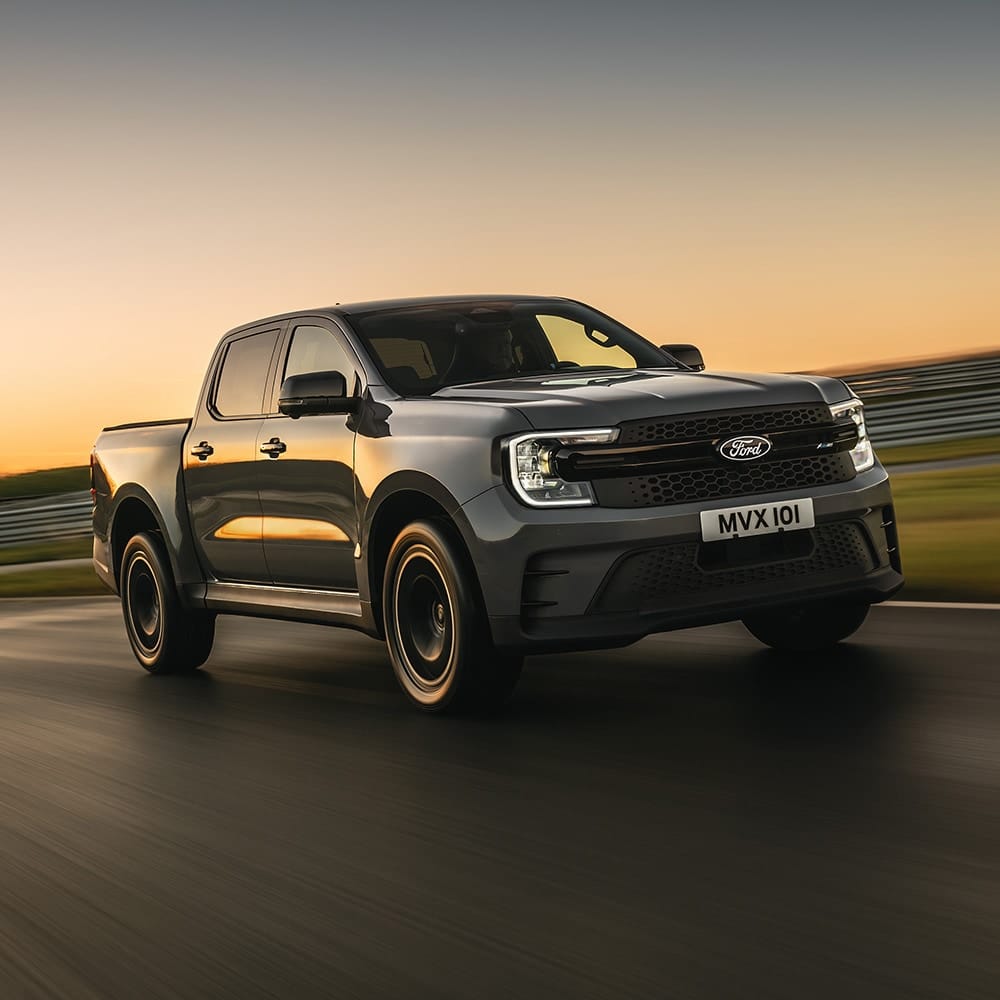
Today's keyless, CAN-bus cars
The digital CAN-FD install that shuts down the relay, cloning and OBD attacks modern keyless cars are targeted with.
Whatever you drive, whatever its age, one MicroBot secures it — analogue or CAN bus. That's fitment freedom Ghost's CAN-bus-only install can't match.
The numbers
Side by side
| Spec | Ghost | MicroBot |
|---|---|---|
| Authentication | PIN only | Tag and/or PIN |
| Phone as tag | No | Yes |
| Anti-hijack | Basic | Yes |
| Unlock methods | Factory OEM controls only | Tag, phone, OEM remote or PIN |
| Maintenance mode | Manual activation | Via app or service button |
| Emergency override | PIN override | One-trip secret PIN |
| Tracking | No | No |
| Subscriptions | None | None |
| Typical install time | 1 to 2 hours | Under 1 hour |
| Fitment | CAN bus | Analog and CAN bus |
| Insurance approval | TASSA | Thatcham Category 2e |
Straight answers
FAQ
What is MicroBot?
A digital CAN-based immobiliser designed for modern vehicle theft prevention.
How is it different from Ghost?
MicroBot offers tag, PIN and phone authentication rather than PIN alone.
Can I use my phone as a tag?
Yes. One phone can be linked at a time, keeping the pairing secure.
What happens if I lose my tag?
You can still get into the vehicle using your PIN or your paired phone.
Does it have anti-hijack?
Yes, anti-hijack is supported as standard.
Can it be serviced safely?
Yes. Service mode can be activated via the app, so a garage can work on the car without extra steps.
What happens in an emergency?
A secret PIN can disable the immobiliser for one trip.
How long does installation take?
Under one hour with a trained installer.
Does it require subscriptions?
No. There are no ongoing fees.
What cars can this fit on?
Any analog or CAN bus vehicle.
Are you insurance approved?
Yes, Thatcham Category 2e.
Common questions
Answered
"Ghost is more established."
Fair, and it's a proven product. MicroBot's difference is greater flexibility and more modern authentication, without giving up the stealth Ghost is known for.
"Isn't PIN-only more secure?"
A single method is simple, but it's also a single point of failure. MicroBot's difference is combining PIN, tag and phone, so losing one method doesn't lock you out.
"Isn't Ghost easier to understand?"
One button sequence is easy to explain, granted. MicroBot's difference is that day-to-day operation stays just as simple, the extra flexibility only comes into play when you need it.
"Ghost doesn't need an app, why does MicroBot?"
True, Ghost runs entirely off the button sequence. MicroBot's difference is that the app is optional convenience, service mode, emergency mode, and phone-as-tag, not a requirement to use the car day to day.
The verdict
Ghost earns its reputation honestly. It's stealthy, it's proven, and for someone who wants the simplest possible system, it still does exactly what it says on the tin.
Looking at the two spec sheets side by side, MicroBot answers most of the limitations Ghost has carried for years: one authentication method becomes three, a manual service process becomes app-controlled, and a basic hijack response becomes a dedicated anti-hijack mode. It also fits faster and carries a formal Thatcham category rather than TASSA approval alone.
Both are genuine options. The spec sheet above is there so you can weigh it up for yourself.
Pandora Car Alarms, Unit G, Crescent Trade Park, Moons Moat Dr, Redditch, B98 9DZ. Comparison compiled from manufacturer specifications and Thatcham security category guidance. Product names are trademarks of their respective manufacturers.